

Core Supports
Daily Personal Activities
Daily Personal Activities
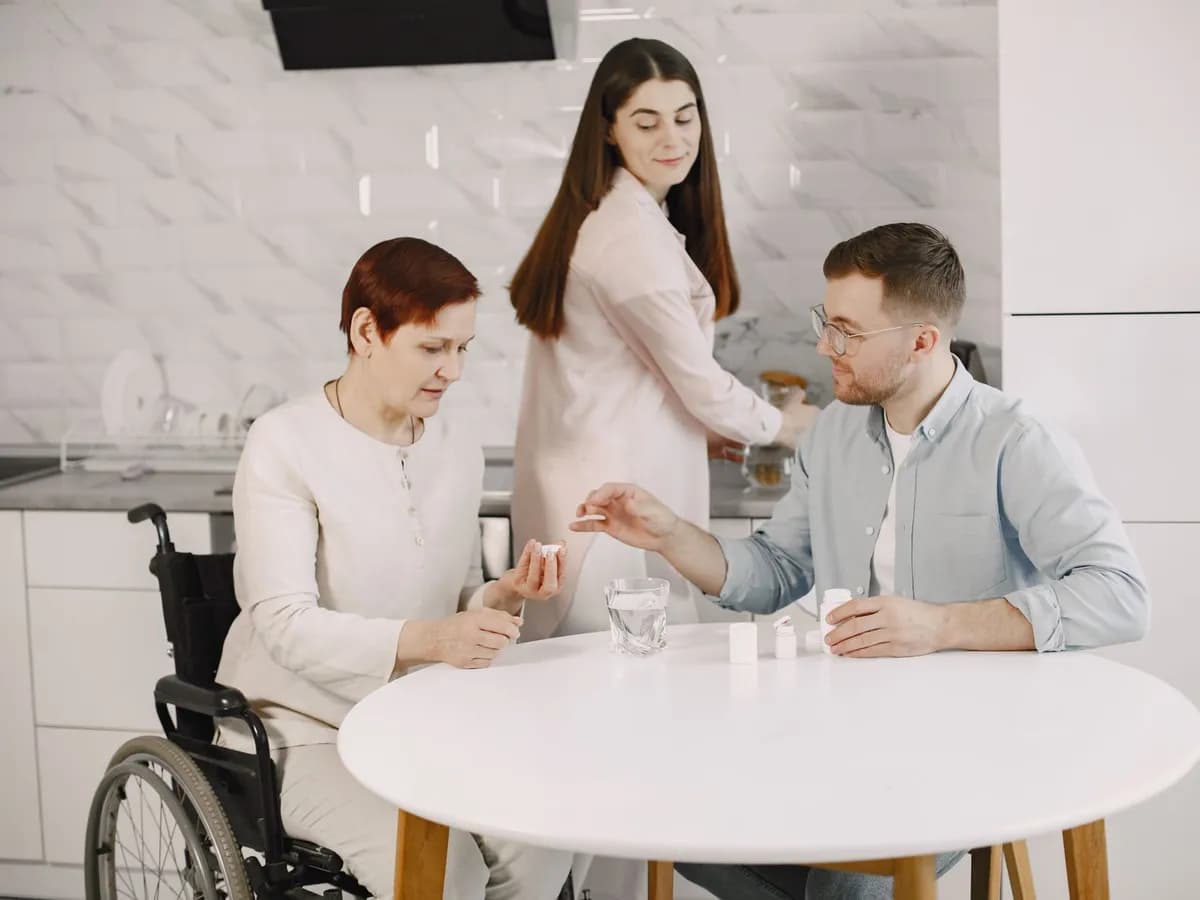
During the provision of supports, Compassion Care can assist with…
Personal Care
- Personal care and grooming
- Sleep routines
- Cooking and healthy eating choices
- Managing and coordinating daily tasks
Practical Support
- Meal preparation
- Grocery shopping
- Budgeting
- Medication assistance in accordance with applicable plans and procedures
- Building everyday living skills
In Home Support
- Vacuuming and mopping
- Cleaning kitchens and bathrooms
- Laundry and linen changes
- Organising household spaces
- Maintaining a safe and hygienic home
Community Participation
Community Participation

Our support workers can ….
- Take you to appointments
- Participate in a new activity
- Supervise a visit with family members
- Help you adhere to your order or conditions
- Group School Holiday Programs also available
Home and Living
Home and Living
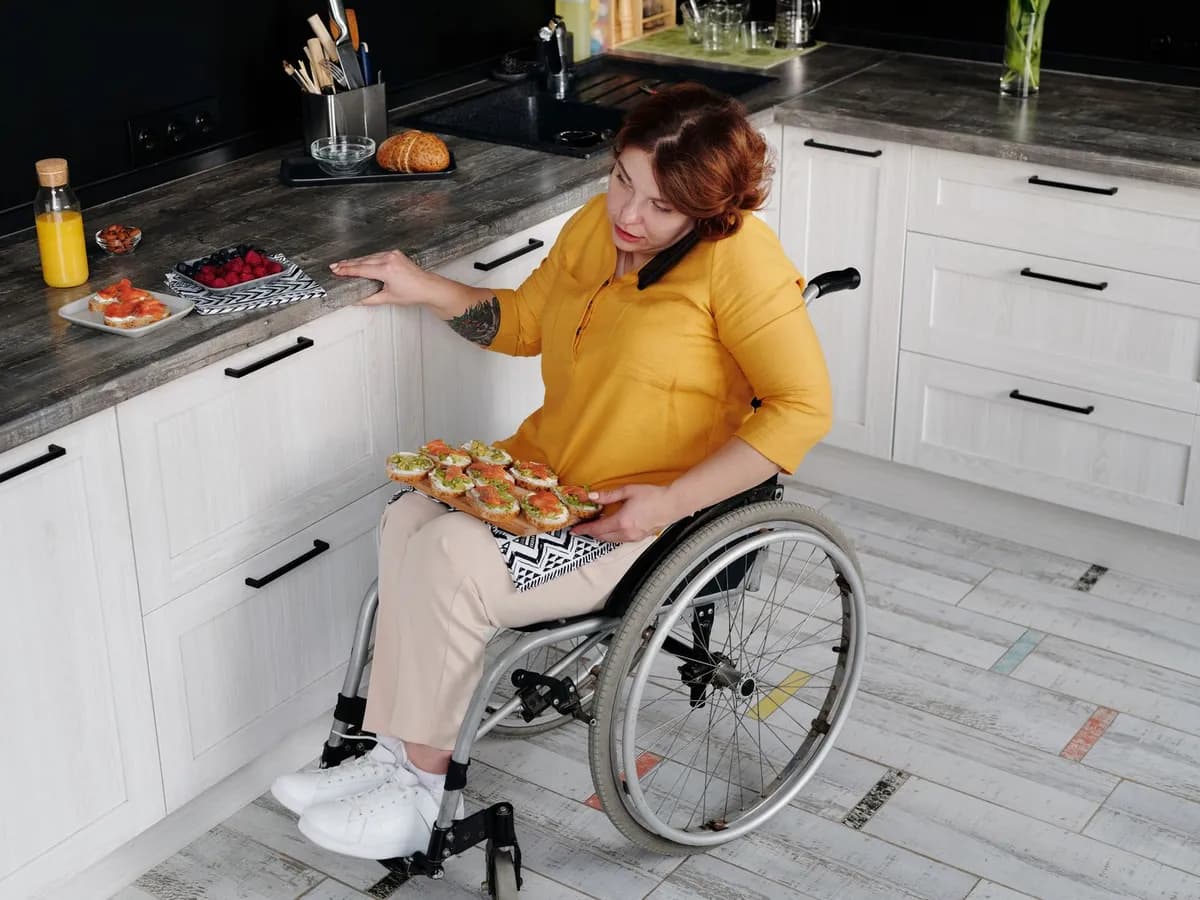
Compassion Care can provide you with….
Individualised Living Options (ILO)
- Based on an assessment for participants with complex and high-intensity needs.
Supported Independent Living (SIL)
- Support for participants with higher support needs who require significant assistance or supervision within their home.
Short-Term Respite & Medium-Term Accommodation
- Temporary support and accommodation options for eligible participants based on their individual circumstances and NDIS plan.
Capacity Building
Finding and Keeping a Job
Finding and Keeping a Job
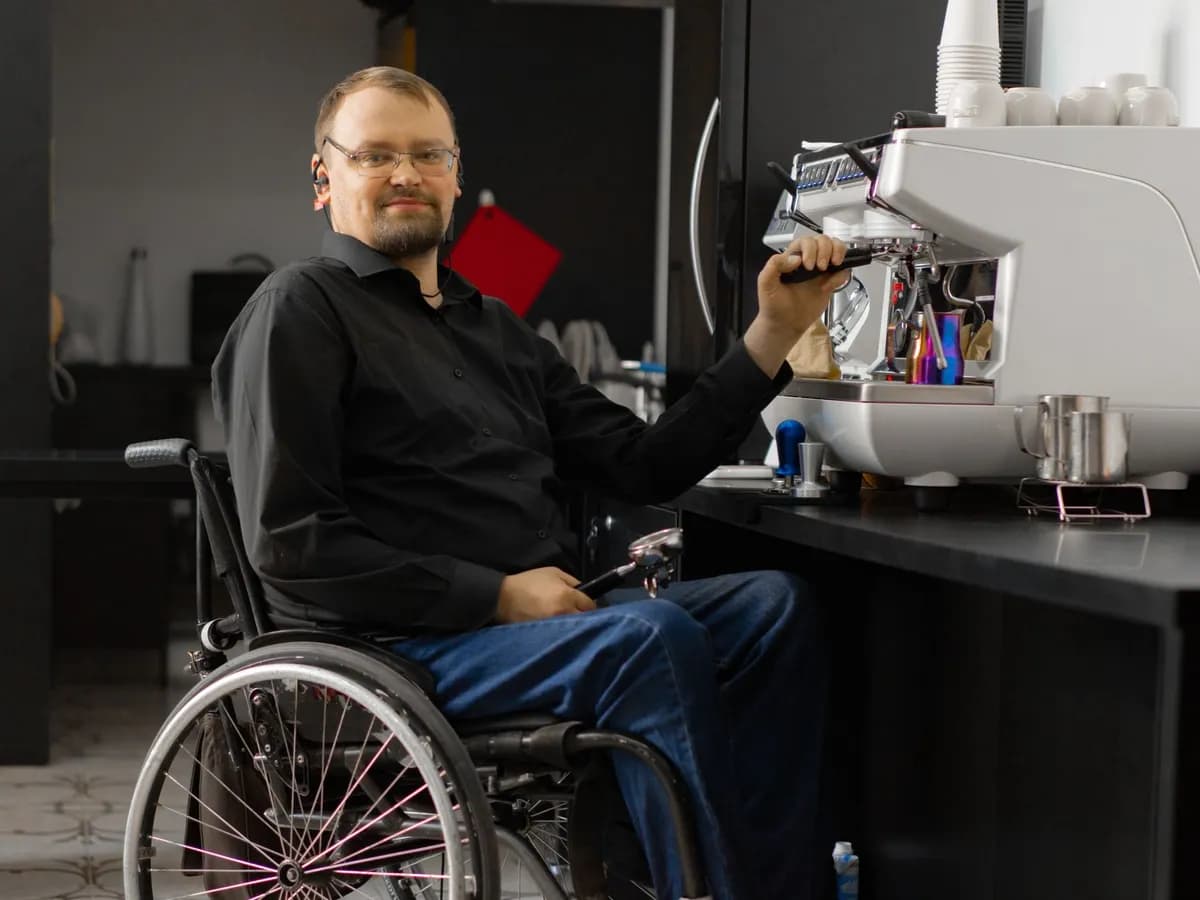
Compassion Care can help you….
School Leaver Employment Supports
- Participants aged 15 – 21
- Transition from school into employment
- Intake assessments
- Develop work ready skills
- Coaching and development
Finding and Keeping a Job
- Participants aged 22 and over
- Getting job-ready
- Build workplace skills
- Achieve career goal
- Applications for the Employment Assistance Fund by JobAccess
Supports in Employment
- Participants who are already working
- Functional and Workplace Assessments
- Reasonable Workplace Adjustments
- Applications for the Employment Assistance Fund by JobAccess
Support Coordination
Support Coordination

Compassion Care will help you build your plan and choose your supports. We can also provide holistic case management across all areas of your life.
What is Support Coordination?
- Understanding what you would like to get out of your plan
- connecting you with community and mainstream supports and services
- build your confidence and skills to manage your supports.
Forensic Support
- For participants involved with the Department of Justice or Department of Housing
- For participants subject to Community Corrections order or Child Protection orders
- Assist you adhere to the conditions of your order
- Assist you during supervised contact with your children or other family members
- Pre-release support for participants incarcerated
- Aiming to provide you with community reintegration and reduce recidivism
What do Support Coordinators do?
- Help you budget you plan
- Choose how your funding is managed
- Tell you what you can claim and how
- Organise service agreements and other important documentation
Health and Wellbeing
Health and Wellbeing

Speech Pathology
- Speech Pathology supports participants experiencing difficulties with communication, speech, language, swallowing and social interaction. Speech Pathologists develop personalised strategies to help participants express themselves, understand others and communicate more effectively in everyday life.
Art Therapy
- Art Therapy uses creative activities such as drawing, painting and other artistic expressions to support emotional wellbeing, communication and self-expression. It provides a safe and supportive environment for participants to explore their feelings, develop coping strategies and build confidence.
Music Therapy
- Music Therapy uses music-based activities to support emotional, cognitive, social and physical development. Through singing, playing instruments, listening and creative expression, participants can improve communication, emotional regulation and social engagement.
Physiotherapy
- Physiotherapy focuses on improving movement, mobility, strength and physical functioning. Physiotherapists work with participants to manage physical challenges, reduce pain, improve balance and build independence in everyday activities.
Exercise Physiology
- Exercise Physiology uses tailored exercise programs to improve physical health, strength, endurance and overall wellbeing. Accredited Exercise Physiologists support participants to increase their physical capacity, manage health conditions and participate more confidently in daily activities.
Occupational Therapy
- Occupational Therapy helps participants develop the skills and confidence needed to complete everyday activities independently. Occupational Therapists assess individual needs and provide practical strategies, assistive technology recommendations and environmental modifications to improve daily living, safety and participation.
Play Therapy
- Play Therapy uses play-based activities such as storytelling, role-playing, games and creative expression to support emotional wellbeing, communication and social development. It provides a safe and supportive environment for participants to express their feelings, process experiences, develop coping strategies and build confidence through play.